

30 x 30 bathroom mirror
Steel Bar Caps in Building Construction Importance and Applications In the realm of building construction, the durability and strength of materials are of paramount importance. Steel bars, or rebars, are widely used to reinforce concrete structures, providing the necessary tensile strength to withstand various loads. However, the installation and performance of these steel bars can be significantly affected by environmental factors and the methods used during construction. This is where the concept of steel bar caps comes into play. Understanding Steel Bar Caps Steel bar caps, also known as rebar caps or rebar protectors, are protective devices designed to cover the exposed ends of steel rebar. These caps are typically made from durable materials such as plastic or metal and can come in a variety of shapes and sizes. The primary purpose of steel bar caps is to prevent injuries on construction sites, particularly from accidental contact with sharp or protruding rebar ends that can pose a safety hazard to workers. Safety Considerations in Construction Construction sites are inherently hazardous environments, and preventing workplace injuries is crucial for maintaining a safe work environment. The Occupational Safety and Health Administration (OSHA) has specific regulations regarding the handling of rebar, emphasizing the need for safety measures to protect workers. Unprotected rebars can lead to serious injuries, including puncture wounds or lacerations. By using steel bar caps, construction companies can significantly reduce these risks and improve overall site safety. Benefits of Using Steel Bar Caps 1. Injury Prevention The primary benefit of steel bar caps is the protection they provide against injuries. By covering sharp edges, these caps help prevent accidents that can lead to severe injuries or even fatalities on construction sites. steel bar cap in building construction 2. Cost-Effectiveness While there may be an upfront cost associated with purchasing rebar caps, the long-term benefits outweigh this initial investment . Reducing the number of injuries not only saves on medical costs but can also prevent potential project delays and liability claims. 3. Ease of Use Steel bar caps are designed for easy installation and removal. This ease of use ensures that workers can quickly apply these caps during the construction process without significantly slowing down operations. 4. Versatility Steel bar caps are available in various sizes and designs, making them suitable for different types of projects and applications. Whether used in residential buildings, commercial complexes, or infrastructure projects, there is a cap tailored to the specific needs of each construction site. Applications in Building Construction The application of steel bar caps is essential in various stages of building construction. During the pouring of concrete, rebar is often left exposed for splicing or anchoring purposes. In such scenarios, applying rebar caps becomes crucial to ensure worker safety. Additionally, in projects where rebar might be exposed for an extended period before the concrete is placed, the importance of using bar caps increases, as they prevent accidental injuries while the site is still open and active. Moreover, during inspections and site visits, the presence of rebar caps can signal a commitment to safety protocols. It demonstrates a proactive approach to mitigating risks associated with construction activities, thereby promoting safety culture on-site. Conclusion In conclusion, steel bar caps are a vital accessory in building construction, serving the essential function of protecting workers from injury while also enhancing the overall safety of construction practices. As the construction industry continues to prioritize safety and efficiency, adopting tools such as steel bar caps reflects a commitment to creating safer work environments. By implementing these protective measures, construction companies can not only safeguard their workers but also contribute to the timely and successful completion of construction projects. Investing in safety is investing in the future, and steel bar caps play a crucial role in this endeavor.
about
30 x 30 bathroom mirror
In industrial and infrastructure projects, the proper installation of control valves is not only crucial for system functionality but also for ensuring safety. Control valves , including flow control valves and pressure control valves , from Storaen (Cangzhou) International Trading Co. are essential components in various fluid management systems. Multifunctional Pump Control Valve Specifications Table Parameter Details Component Composition Consists of main valve, regulating valve, and receiver system Valve Body Structure Adopts DC type valve body Main Valve Control Chamber Diaphragm type or piston type double control chamber structure Control Chamber Feature One additional control chamber compared to general hydraulic control valves , enhancing main valve control functions Realized Functions Enables slow opening, full opening, slow closing, and stopping at pump outlet, achieving multifunctional control Application Scenarios Used in high-rise building water supply systems and other water supply system pump outlet pipelines Key Roles Prevents and attenuates water hammer during pump start and stop, prevents water backflow to protect the pump, maintains pipeline safety Technological Evolution Replaces manual valves with hydraulic and electric valves, emerging new types like slow-opening and slow-closing backstop valves for automation and reliability improvement General Safety Precautions for Control Valve Installation Before starting the installation of control valves from Storaen (Cangzhou) International Trading Co., it is essential to thoroughly review the installation manual. Familiarize yourself with the specific requirements and guidelines for the particular valve model to ensure correct installation. Ensure that all installation tools are in good working condition and appropriate for the task. Damaged or incorrect tools can lead to installation errors and potential safety hazards. It is crucial to isolate the system where the control valve will be installed. This includes shutting off the power supply if the valve is electrically operated, closing upstream and downstream isolation valves, and depressurizing the pipeline. Failure to isolate the system properly can result in unexpected fluid flow, pressure surges, or electrical shocks during installation. Workers should also wear appropriate personal protective equipment (PPE), such as gloves, safety glasses, and protective clothing. PPE protects against potential injuries from sharp edges, flying debris, or contact with hazardous fluids. Safety Considerations for Flow Control Valve Installation When installing flow control valves , pay close attention to the flow direction indicated on the valve body. Incorrect installation with respect to flow direction can lead to inefficient flow regulation, increased pressure drop, and even valve damage. Ensure that the valve is properly aligned with the pipeline to avoid stress on the valve body and flanges. Misalignment can cause leaks, reduce the valve's lifespan, and pose a safety risk due to potential fluid leakage. During the tightening of bolts for flanged flow control valves , use a torque wrench to achieve the specified torque values. Over-tightening or under-tightening can lead to gasket failure and leaks. Regularly check for any signs of vibration during the installation process. Excessive vibration can loosen connections and affect the performance of the flow control valve . If vibration is detected, take measures to dampen it, such as installing vibration isolators or checking the pipeline supports. Pressure Control Valve Installation Safety Measures For pressure control valves , it is vital to set the pressure relief or regulation settings according to the system requirements before installation. Incorrect pressure settings can lead to overpressure situations, which may cause pipeline bursts or damage to other system components. Verify the pressure rating of the pressure control valve to ensure it matches the maximum operating pressure of the system. Installing a valve with an insufficient pressure rating can result in catastrophic failures. Protect the pressure sensing elements of pressure control valves during installation. These elements are sensitive and can be easily damaged, leading to inaccurate pressure regulation. After installation, conduct a pressure test on the system with the pressure control valve in place. Monitor the pressure closely and look for any signs of leakage or abnormal pressure fluctuations. If issues are detected, immediately shut down the system and address the problems before resuming operation. Control Valve Installation FAQS Why is it important to review the manual before installing a control valve? Reviewing the manual before installing a control valve from Storaen (Cangzhou) International Trading Co. ensures that the installation is carried out correctly according to the manufacturer's specifications. Each valve model may have unique installation requirements, and following these guidelines helps prevent errors that could lead to safety issues, poor performance, or damage to the valve. What are the risks of misaligning a flow control valve during installation? Misaligning a flow control valve can cause stress on the valve body and flanges, leading to gasket failure and leaks. Leaks can result in fluid wastage, environmental contamination, and potential safety hazards, especially if the fluid is hazardous or flammable. Additionally, misalignment can affect the valve's flow regulation capabilities and reduce its service life. How can incorrect pressure settings in a pressure control valve be dangerous? Incorrect pressure settings in a pressure control valve can lead to overpressure in the system. Overpressure situations can cause pipelines to burst, damage other system components, and pose significant risks to personnel and property. It can also lead to system failures and costly downtime for repairs. What should be done if electrical wiring is damaged during control valve installation? If damaged electrical wiring is detected during control valve installation, immediately stop the installation process. Replace the damaged wiring with new, appropriate - rated wiring and ensure that all connections are made correctly. It may also be necessary to consult an electrician to ensure compliance with electrical safety codes and to avoid potential electrical hazards. Why is it necessary to conduct a pressure test after installing a control valve? Conducting a pressure test after installing a control valve helps identify any potential leaks or issues with the valve installation or the system. Leaks can lead to safety hazards, fluid loss, and performance problems. A pressure test allows for early detection and resolution of these issues, ensuring the safe and efficient operation of the system with the newly installed control valve .
-

High quality industrial productsagement

High quality industrial products
View Details -

Meet the diverse needs of customers

Meet the diverse needs of customers
View Details -

Strict quality control

Strict quality control
View Details -

Top raw materials

Top raw materials
View Details -

Trusted supplier

Trusted supplier
View Details
Our application

news and information

Versatile Thread Gauge for Precision Measurement and Adjustability in Mechanical Applications
Understanding Adjustable Thread Gauges A Tool for Precision Measurement In the world of engineering
Wholesale Supply of High-Quality Ball Valves for Various Industrial Applications
The Wholesale Market for Ball Valves An In-Depth Analysis Ball valves are essential components in va
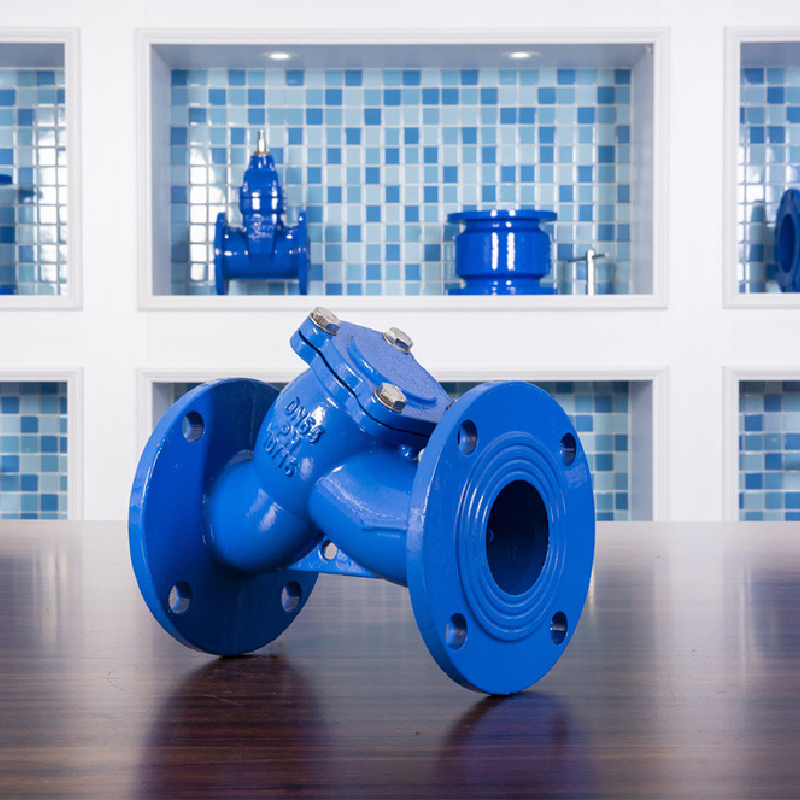
Water Strainer for Efficient Filtration and Reliable Performance in Various Applications
Understanding the Y-Type Water Strainer A Key Component in Fluid Systems In industrial and municipal
 English